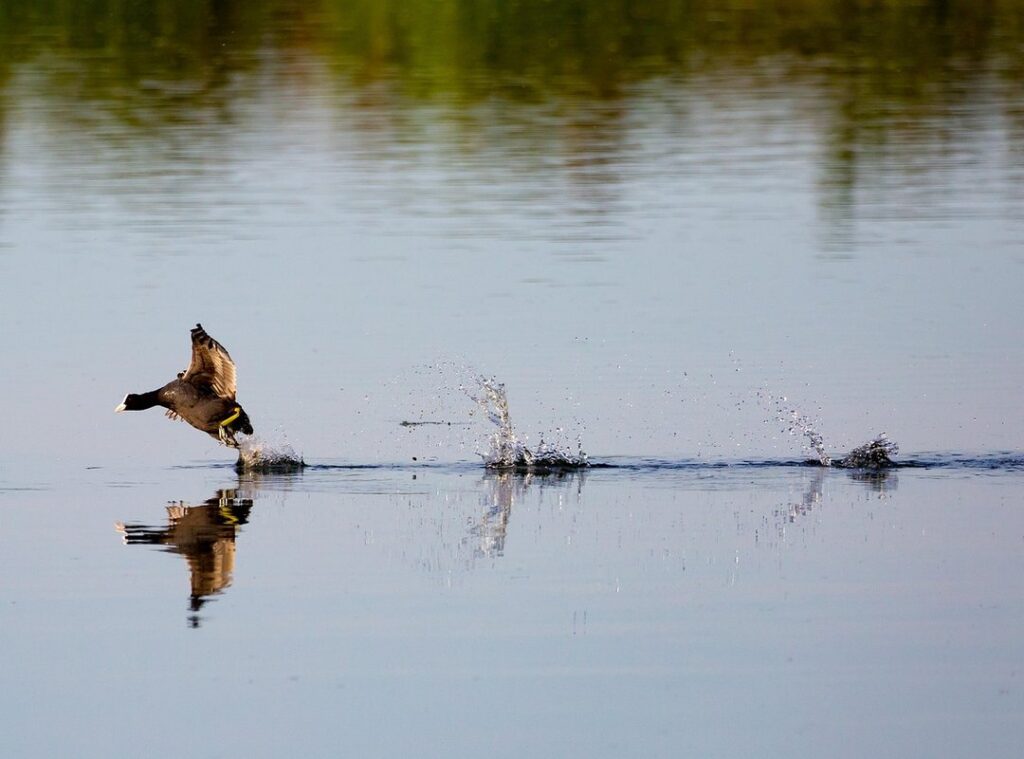
Creating an animated clip of a character running on water can be a real challenge. Many animators struggle with the physics and fluid dynamics needed to make it look realistic. But don’t worry, I’ve got some practical tips and expert insights to help you out.
You might be thinking, how do I even start? Well, let’s dive right in. This guide will walk you through the key techniques and tools you need.
We’ll cover everything from the basics to the more advanced stuff.
sonic running on water gif is a great example of what we’re aiming for. It’s all about making those movements smooth and believable.
So, if you’re ready to create a visually stunning animated clip, let’s get started.
Understanding the Basics of Animation
Animation can seem like magic. Sonic running on water—now that’s a classic example. But it’s not just about making characters do cool stuff.
It’s about understanding key principles.
Timing is everything. Get it right, and your animation feels natural. Get it wrong, and it looks off.
Spacing is how you place your drawings to create movement. It’s like the rhythm in music.
Squash-and-stretch gives your animations life, and think of a ball bouncing. It squashes when it hits the ground and stretches as it bounces back up.
Simple, but effective.
Tools matter too. Adobe Animate, Blender, and Toon Boom Harmony are some of the big names. Each has its strengths.
Choose one that fits your style and project needs.
Before you dive in, plan, and storyboarding is crucial. It helps you visualize the sequence and make changes before you start animating.
Saves a lot of headaches later.
Pre-production is where the real work happens, and spend time here. Trust me, it pays off.
You’ll avoid a lot of rework and end up with a smoother final product.
Creating the Character
Character Design
When designing a character for a running-on-water effect, keep it simple. You want something visually appealing but not too complex. Think about the character’s silhouette and how it will look in motion.
Modeling and Rigging
For 3D or 2D models, start with a basic shape. Add details gradually, and the rig is crucial.
Make sure it allows for smooth, natural movements. Test it out. If it looks stiff, go back and adjust the joints.
Texture and Shading
Textures and shading can make or break your character. Use subtle gradients to add depth, and shadows should be soft and realistic.
Don’t overdo it, and a little goes a long way.

Remember, the goal is to create a character that looks good and moves well. Keep tweaking until you get it right, and it’s all about balance.
Animating the Character’s Movement
Keyframe animation is all about making your character move in a way that looks natural. You set keyframes at important points in the motion, like when the foot hits the water or lifts off.
Timing and spacing are crucial. If you get them right, your character will look like they’re really running on water. (It’s not as easy as it sounds, trust me.)
Timing and Spacing
Adjust the timing to make sure the movements flow smoothly. For example, if the character’s foot stays too long in one place, it’ll look stiff. Shorter, quicker movements can make it feel more fluid.
Spacing is about how far the character moves between frames. If the spacing is too wide, the movement looks jerky. Too narrow, and it feels slow.
Find the sweet spot for a realistic effect.
Secondary Actions
Don’t forget the little details. Small movements in the hair, clothing, or even the water splashes add a lot of realism. These secondary actions make the animation come alive.
Adding these subtle touches can be the difference between an okay animation and a great one. (You’d be surprised how much impact a tiny detail can have.)
Here’s a quick visual to help you see what I mean: sonic running on water gif
By focusing on keyframes, timing, spacing, and secondary actions, you can create a running-on-water effect that looks both natural and impressive.
Simulating Water Dynamics
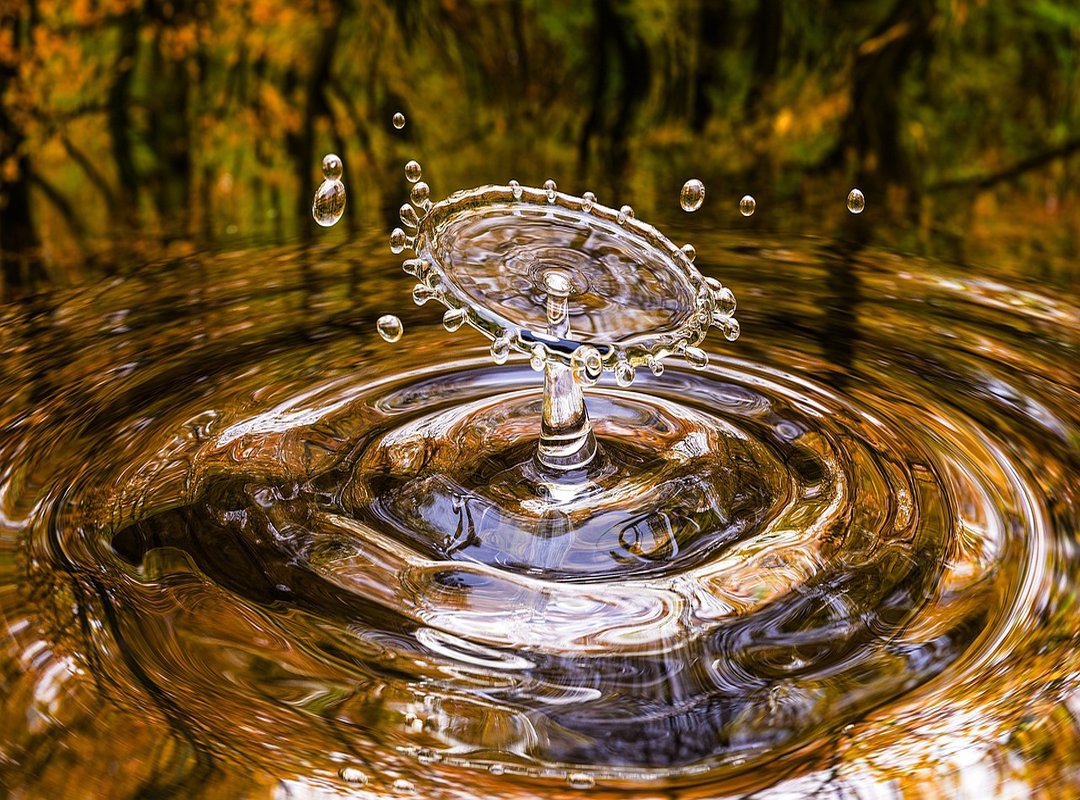
Water simulation can be a game-changer in your projects. It adds that extra layer of realism and immersion. You’ve got a few techniques to choose from, like particle systems and fluid simulation tools.
Particle systems are great for creating splashes and small water effects. They’re easy to set up and can give you quick results. Fluid simulation tools, on the other hand, offer more detailed and realistic water behavior.
They take more time and computational power, but the payoff is worth it.
When it comes to interaction with the character, you want the water to react naturally. Think about how water behaves when someone runs through it. Ripples and splashes should appear where the character moves.
This makes the scene feel alive and dynamic.
 (Sonic running on water)
Reflections and refractions are key to making the water look real. Reflections show what’s above the water, while refractions distort the view below. Adding these elements can make a huge difference in the visual quality of your scenes.
By mastering these techniques, you can create stunning and believable water effects. Your audience will be more engaged, and your work will stand out. If you want to dive deeper into this, read more.
Adding Visual Effects and Polving the Scene
Visual effects can make or break a scene. Have you ever wondered why some scenes just feel more alive? It’s often the little details like mist, droplets, and light rays.
Adding these elements can transform a flat image into something dynamic. Think about it—how does a bit of mist change the mood? It adds a layer of mystery and depth.
Lighting
Setting up the right lighting is key. You want to create the desired mood and atmosphere. Is it a warm, cozy scene or a cold, eerie one?
Experiment with different light sources and angles. (Sometimes, a subtle shift in the light can make all the difference.)
Final Touches
Now, let’s talk about the final touches. Adjusting colors, adding filters, and fine-tuning the overall composition are crucial steps.
Ever noticed how a slight color tweak can completely change the feel of a scene? It’s like that sonic running on water gif—everything comes together in a seamless, almost magical way.
So, take your time with these adjustments. They might seem small, but they can have a big impact.
Exporting and Sharing Your Animation
When it comes to rendering, I can’t stress this enough: quality over speed. A friend of mine, a seasoned animator, once told me, “If you rush the render, you might as well not have bothered with the animation in the first place.”
- Make sure your settings are optimized for the platform where you plan to share.
- Use high-resolution settings for better clarity.
- Always do a test render to check for any issues.
Sharing your work is just as important. You’ve put in the effort, now let others see it.
Upload to social media, YouTube, or animation platforms. Each has its own perks. For instance, YouTube can get you a broader audience, while specialized platforms like Vimeo attract more industry professionals.
Remember, the goal is to get your work seen by the right people. So, choose wisely.

And one last thing. Don’t forget to tag relevant communities and use hashtags. It’s a simple way to boost visibility.
Bringing Your Animated Clip to Life
To create an animated clip of a character running on water, start by sketching the key poses. Focus on the movement and fluidity of the action. Timing and spacing are crucial for a natural look.
sonic running on water gif can serve as a great reference for smooth motion and dynamic poses. Pay close attention to how the water reacts to each step. This interaction adds realism and enhances the visual appeal.
Practice is essential. The more you refine your technique, the better the final result. Patience is key; take your time with each frame.
Attention to detail will make your animation stand out.
Experiment with different styles and techniques. Each project is a chance to learn and grow. Share your creations with the community for feedback and inspiration.